Hey, I want to share something that happened to me recently, like watching the sun sink behind a horizon painted with the gentle blush of twilight, turning everything golden and fleeting.
I was chatting with a friend when I suddenly saw the term “dream scenario” pop up, and honestly, I had no clue what it meant at first.
I kept wondering, “Am I missing something here?” It was a bit confusing, and I didn’t want to respond the wrong way.
So, I decided to look into spiritual meaning of dreaming about dream scenario and figure out its meaning and context.
After understanding it, I realized how important it is to know these terms to avoid awkward situations in conversations.
I handled it by learning the proper meaning and responding confidently, and now I feel ready whenever I see dream scenario again in chats or social media.
Is a Dream Scenario a Metaphor?
Dreams often communicate through symbols rather than literal events. When we experience a dream scenario, it might not represent actual events in our lives. Instead, it could act as a metaphor for our emotions, unresolved conflicts, or desires. Psychologically, these scenarios are a reflection of our subconscious mind trying to process experiences, fears, or hopes. Spiritually, some believe these dream metaphors act as messages from our higher self or the universe, guiding us toward growth and self-understanding. For instance, dreaming of being lost in a maze could metaphorically represent feeling confused in life or uncertain about a decision. The key is to explore how the dream scenario connects with your inner feelings rather than take it at face value.
Are Dreams Really Trying to Tell You Something?
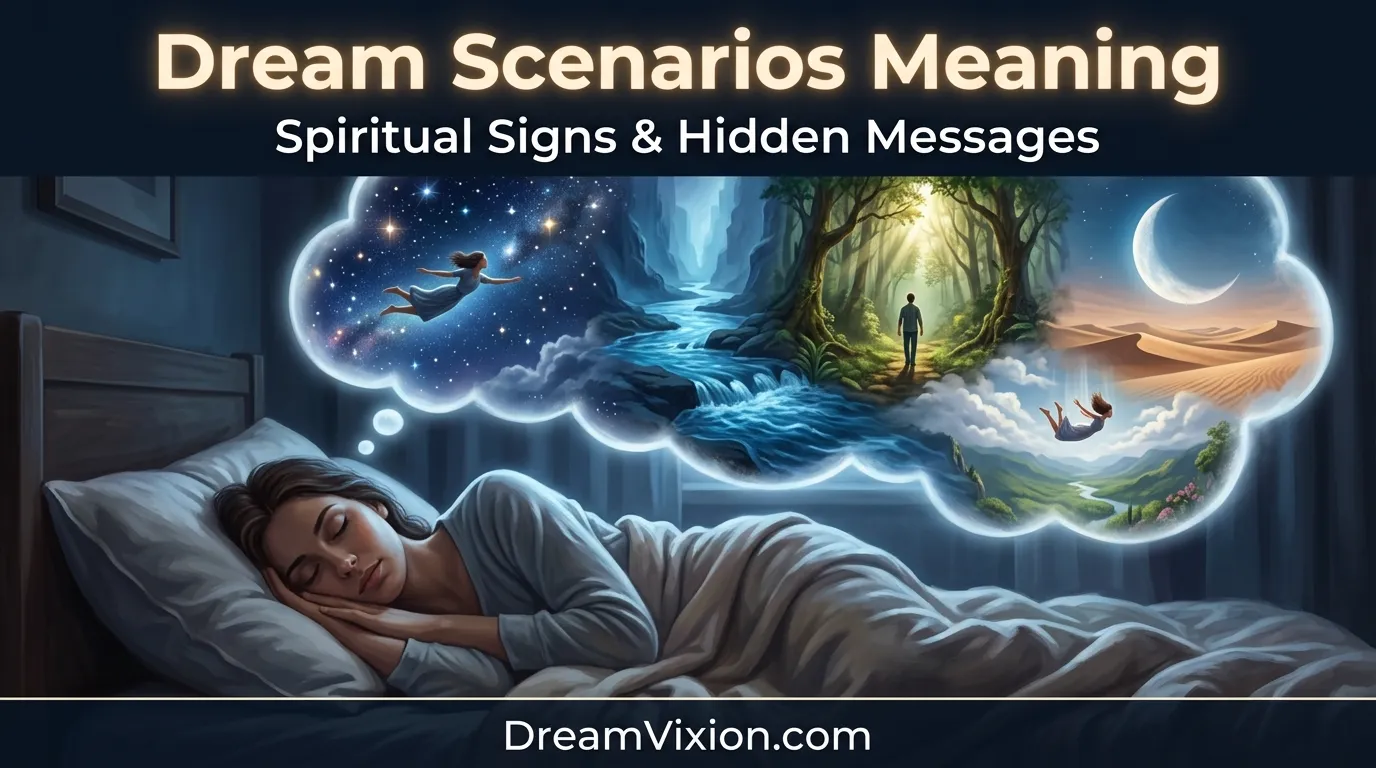
Many spiritual traditions assert that dreams are more than random mental activity—they are messages. A dream scenario could highlight areas of your life needing attention, emotional healing, or spiritual awakening. Psychologists often view these dreams as a way for your brain to process unresolved feelings, while mystics see them as whispers from your soul or guides trying to direct you. For example, dreaming about falling may signal fear of losing control, whereas a scenario where you’re flying might indicate freedom and liberation. By observing patterns in your dreams, you can decipher lessons, warnings, or encouragement embedded within them.
Can You Control a Dream Scenario?
Yes, in many cases, especially through lucid dreaming, you can influence your dream scenarios. Lucid dreaming allows the dreamer to recognize they are dreaming and sometimes alter the narrative consciously. Spiritually, controlling a dream scenario may indicate a deep connection with your inner self or higher consciousness. Psychologically, practicing dream control can help confront fears or rehearse challenges in a safe space. For instance, if someone repeatedly dreams of being chased, consciously facing the chaser in the dream can reduce anxiety and provide empowerment in waking life. Over time, developing this skill can transform your dream experiences into tools for personal growth and spiritual insight.
How Can I Create My Dream Scenario?
Creating your own dream scenario requires intention and practice. One common method is visualization before sleep: imagine a scene, a goal, or a resolution, and allow your mind to carry it into dream space. Journaling your intentions and emotions also helps your subconscious understand what to manifest in dreams. Spiritually, this process aligns with sending energy and clarity to your inner self, encouraging guidance from your higher consciousness. Psychologically, it trains your brain to process emotions creatively. Whether you’re exploring healing, inspiration, or self-discovery, consciously crafting dream scenarios can deepen your connection to both your inner world and spiritual path.
Dream Scenario Meaning Nicolas Cage
Interestingly, even pop culture references like “dream scenario” Nicolas Cage can influence interpretations. Some interpret seeing a known figure in a dream scenario as symbolic of qualities associated with them. Nicolas Cage, for example, might represent intensity, unpredictability, or creativity in your subconscious narrative. Spiritually, this type of dream invites reflection on how certain traits in others mirror aspects of yourself you’re exploring or integrating.
Dream Scenario Meaning Psychology
From a psychological perspective, a dream scenario is a playground for your subconscious. Sigmund Freud and Carl Jung emphasized that dreams provide insight into desires, fears, and unresolved conflicts. Your dream scenario might be replaying a situation from waking life, exaggerating emotions, or creating symbolic representations. Jung would likely suggest examining the archetypes present, while modern psychologists recommend connecting the dream with your emotional state during waking hours. Understanding the psychological meaning of your dream scenario helps identify triggers, guiding you toward self-awareness and emotional clarity.
Dream Scenario Molly
Sometimes, specific names or entities appear in dream scenarios, like “Molly.” The name could symbolize someone you know, a part of your personality, or even a spiritual guide. Spiritually, it may represent nurturing, innocence, or a call to reconnect with a personal memory or emotion. Psychologically, your mind may have linked the name to past experiences or feelings you haven’t fully processed. Exploring the context of this character in your dream scenario helps uncover personal insights or spiritual messages.
Dream Scenario: Why Was He in Dreams?
You might ask, “Why was he in my dream scenario?” Dream characters often reflect parts of your psyche or unresolved emotions toward someone. Spiritually, their presence can signify lessons or guidance they symbolize, rather than literal interactions. Psychologically, recurring figures in dreams might represent attachment patterns, desires, or fears. Observing their behavior and your response in the dream can reveal personal insights, guiding your emotional and spiritual development.
Dream Scenario Reviews
People often share dream scenario reviews online, describing interpretations and experiences. Reviewing others’ perspectives can help you connect personal experiences with broader spiritual or psychological patterns. While each dream is unique, recurring themes or symbols in reviews often align with common human experiences, such as fear, love, or transformation. Consider reading reviews mindfully, reflecting on what resonates with your emotional and spiritual journey.
Dream Scenario Cast
The “cast” of a dream scenario includes all characters, animals, or figures appearing in your dream. Spiritually, each member may represent energies or lessons. Psychologically, they could reflect your internal dialogues or social relationships. Analyzing the cast provides insight into dynamics at play in your subconscious, highlighting unresolved conflicts, strengths, or guidance you need to heed in waking life.
Dream Scenario Reddit
Platforms like Reddit allow sharing and exploring collective dream experiences. Discussions about dream scenarios on Reddit often reveal cultural, psychological, and spiritual interpretations. Engaging in these communities can help you see patterns and gain perspective, while also providing reassurance that your experiences are part of universal human themes.
Dream Scenario Streaming
Streaming or documenting your dream scenarios, through videos or blogs, allows reflection and pattern recognition. Spiritually, this practice can enhance self-awareness, while psychologically, recording dreams helps identify recurring emotions, triggers, and symbols. Whether using a personal dream journal, streaming service, or online forum, documenting your dream scenarios transforms them into tools for insight, healing, and spiritual growth.
Dream Symbolism from Psychology + Spiritual Side
Psychologically, dream symbolism often represents suppressed emotions, desires, or conflicts. Spiritually, symbols may guide your personal evolution. A dream scenario involving water might symbolize emotional purification, while fire could represent transformation or anger. Observing repeated symbols and connecting them with your daily life provides a map of your inner landscape.
Cultural Dream Interpretations
Different cultures interpret dream scenarios uniquely. In Eastern traditions, dreams may reflect karma or spiritual messages. In Native American culture, dreams are pathways to guidance and connection with nature. African interpretations often link dreams to ancestral communication. Understanding cultural perspectives enriches your grasp of the spiritual meaning of dreaming about dream scenario and shows how universal symbols are shaped by collective beliefs.
Connection to Chakras or Emotional Blockages
Dreams often reveal imbalances or blockages in your energy system. A dream scenario involving the heart, for example, may highlight issues with love or self-compassion. Dreams centered on the third eye could indicate intuition awakening or challenges in perception. Recognizing the chakra connections in your dream helps guide emotional release, healing, and spiritual alignment.
Real-Life Examples of This Dream Experience
- Someone dreaming of being lost in a forest discovered it mirrored feeling lost in a career decision.
- A dream scenario involving flying helped a person confront fear of public speaking.
- Dreaming about a deceased relative provided closure and emotional healing.
- Recurring dream of water led one to explore suppressed emotions through journaling.
Each real-life example shows how the dream scenario serves as a bridge between subconscious insights, emotions, and spiritual guidance.
FAQs
1. What does dreaming about a dream scenario mean spiritually?
It indicates guidance from your higher self, highlighting emotional or spiritual lessons.
2. Can recurring dream scenarios predict life events?
Not exactly; they reflect emotional patterns, internal conflicts, or spiritual growth rather than literal predictions.
3. Why do some dream scenarios feel so real?
Heightened emotions and subconscious processing make the dream vivid, often enhancing spiritual or psychological significance.
4. Can I control my dream scenarios?
Yes, through lucid dreaming or intention-setting, you can influence the dream narrative.
5. How do I remember my dream scenarios better?
Keep a dream journal, write details immediately after waking, and set intentions before sleep.
6. Are dream symbols universal?
Many symbols are universal, like water for emotions, but cultural context can influence interpretation.
7. How do chakras relate to dream scenarios?
Dreams often highlight blocked or overactive energy centers, guiding emotional or spiritual healing.
Conclusion
Dreams are gateways into the subconscious and the spiritual self. A dream scenario provides more than entertainment—it reflects emotions, unresolved conflicts, and messages from our higher consciousness. By understanding symbols, characters, and recurring themes, we gain insight into our emotions, spiritual lessons, and life path. Cultural, psychological, and spiritual perspectives enrich this understanding, offering a holistic view of our inner world. Recording, reflecting, and even influencing dream scenarios empowers self-awareness, emotional clarity, and spiritual growth. Every dream is a whisper from within, guiding us to navigate life with greater understanding and authenticity. Paying attention to these nocturnal messages can transform challenges into lessons and uncertainties into clarity, ultimately deepening our journey toward self-discovery and spiritual enlightenment.

I’m Daniel Moore, a lifelong dream explorer. At DreamVixion, I share thoughtful analyses and interpretations to help you connect with your subconscious and inner wisdom.