Featured Snippet
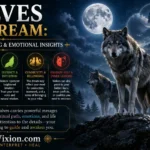
Dreaming of wolves often points to instinct, loyalty, independence, or a sense of threat. Many people connect wolf dreams with inner strength, the need for belonging, or the call to trust intuition. The exact meaning usually depends on if the wolf felt protective, distant, or aggressive in the dream.
Introduction
Sometimes a dream leaves a quiet imprint that stays longer than the story itself. The image of a wolf can do that. Its eyes, its stillness, or the way it moves through the dark can feel charged with meaning even after the rest of the dream fades.
When people search for wolves in dream meaning, they are usually trying to understand why this particular animal appeared and what it might be reflecting in their waking life.
I have noticed how often the presence of a wolf in a dream feels both wild and familiar at the same time. It can stir something instinctive, something that sits just beneath ordinary thought.
The feeling may be one of respect, caution, loneliness, or sudden recognition. That emotional texture matters as much as the details of the scene.
This article explores the psychological, emotional, spiritual, and cultural layers that often surround wolf dreams.
The goal is not to hand you a single fixed answer, but to offer clear and thoughtful perspectives so you can sense which ones speak most truly to your own experience.
Quick Meaning Summary
| Aspect | Summary |
|---|---|
| Spiritual | Instinct, intuition, guidance, or a call to reclaim personal power |
| Emotional | Loneliness, loyalty, protectiveness, or fear of being vulnerable |
| Psychological | Connection to the wild self, shadow aspects, or social belonging |
| Positive Signs | Strength, independence, clear intuition, and healthy boundaries |
| Possible Warnings | Feeling threatened, isolation, or ignored instincts needing attention |
Dream Symbolism: Psychology vs Spiritual Meaning
From a psychological perspective, wolves in dreams often represent parts of the self that feel untamed or essential. Some psychologists suggest the wolf can symbolize instinctual drives, the need for autonomy, or the tension between belonging to a group and standing alone. In Jungian thought, animals like the wolf may appear when the “shadow” — those qualities we have pushed aside — is asking for recognition. A lone wolf might reflect independence or isolation. A pack can point to questions of loyalty, hierarchy, or the desire for community.
Emotionally, the dream frequently carries the tone of the interaction. A calm wolf may feel like a quiet companion or a mirror of inner resilience. An aggressive or chasing wolf can express anxiety, pressure from others, or fear of one’s own intensity. The emotional atmosphere of the dream usually offers the clearest clue.
Spiritually, many traditions view the wolf as a guide linked to intuition, pathfinding, and the courage to follow an inner sense of direction. The animal’s strong sensory awareness is sometimes taken as a reminder to trust subtle feelings and instincts that the rational mind may overlook. These spiritual associations are beliefs held in various cultures rather than proven facts, yet they remain meaningful for many people who work with dream symbolism.
Your personal context and feelings matter most. The same wolf can carry very different weight depending on what is happening in your relationships, work, or inner life at the time of the dream.
Common Spiritual Meanings
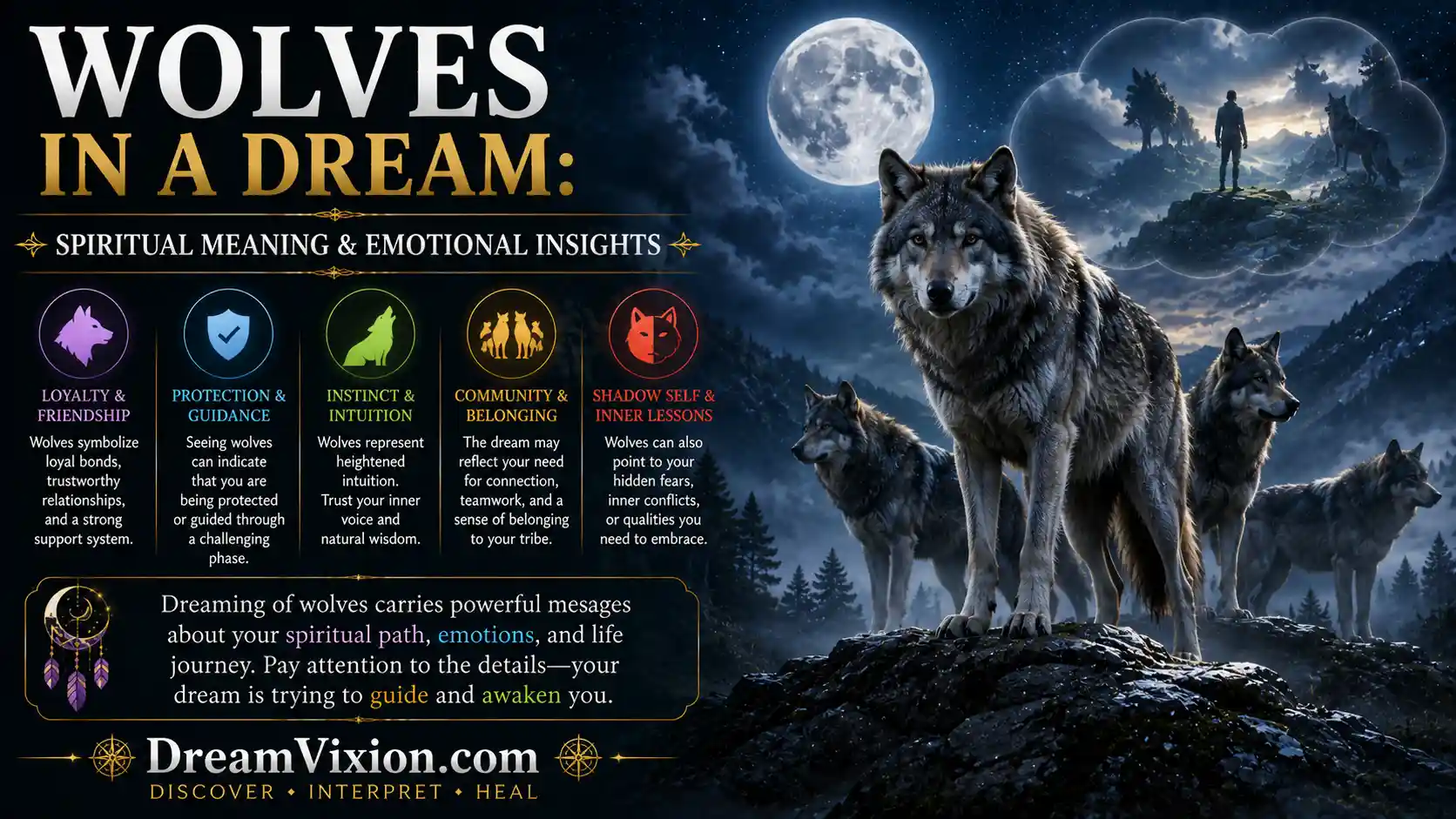
Wolf dreams can hold several layered spiritual interpretations. One common reading is that the wolf represents heightened intuition. Because wolves rely on keen senses and subtle cues, the dream may encourage you to pay closer attention to quiet inner signals that have been easy to dismiss.
Another frequent meaning centers on personal power and independence. A lone wolf can appear when you are being invited to stand more firmly in your own authority or to step away from situations that dilute your energy. This interpretation often feels relevant during periods of change or when old roles no longer fit.
Loyalty and belonging form another strong theme. Wolves are deeply social within their packs. Dreaming of a pack may reflect questions about trust, chosen family, or the balance between supporting others and remaining true to yourself. Conversely, being separated from the pack can highlight feelings of exclusion or the need for deeper connection.
Some people experience the wolf as a protective presence. In this light the animal may symbolize an inner guardian or a spiritual ally that appears when you need courage or clearer boundaries. The protective quality tends to feel calm and watchful rather than aggressive.
Transformation and the wild self also surface often. The wolf can mark a time when domesticated or overly controlled parts of the personality are ready to reclaim more freedom and authenticity. This does not mean abandoning responsibility; it points toward living with greater honesty about your real needs and instincts.
Finally, the wolf sometimes appears as a teacher of balance — between solitude and community, between softness and strength, between caution and trust. The specific emotion you felt toward the wolf usually reveals which of these themes is most alive for you right now.
Cultural Interpretations
In many Western stories the wolf has carried mixed and often fearful associations. Fairy tales and folklore frequently portray wolves as cunning or dangerous, which can influence how some dreamers instinctively react to the animal. At the same time, modern Western spiritual communities have increasingly embraced the wolf as a symbol of freedom, loyalty, and instinctual wisdom.
Eastern perspectives vary widely. In some Asian traditions wolves appear less frequently as central spiritual figures, though certain stories link them with guardianship or the untamed aspects of nature. The emphasis tends to fall more on harmony with natural forces than on the wolf as a personal guide.
Indigenous traditions, particularly among many Native American nations, often hold the wolf in high regard. The animal is frequently associated with teaching, pathfinding, loyalty to family, and strong intuition. These meanings are specific to particular cultures and should be approached with respect rather than generalization. Not every Indigenous nation shares identical views, and the wolf’s significance is rooted in lived relationship with the land and community.
Biblical and broader Christian imagery occasionally uses wolves in a cautionary sense, such as the image of a wolf among sheep, which can symbolize deception or threat to the vulnerable. This does not mean every wolf dream carries a negative biblical meaning; the wider emotional and personal context of the dream remains more important than any single scriptural association.
Across cultures the wolf tends to evoke strong feelings about the boundary between the proper and the wild, the individual and the group. These cultural layers can color a dream, yet the most reliable guide is still how the wolf felt to you and what is unfolding in your current life.
Chakra & Emotional Energy Connection
In chakra-based traditions, wolves are sometimes linked with the root and sacral centers because of their connection to instinct, survival, and vital life force. The root chakra relates to safety, grounding, and basic security. A wolf dream that carries tension or threat may reflect unsettled feelings about stability or belonging.
The sacral chakra is associated with emotion, creativity, and relational energy. Dreams involving packs or close interaction with wolves can touch themes of emotional bonding, desire for connection, or fear of intimacy. Some energy-healing practices also associate the wolf’s keen awareness with the third-eye center, suggesting a call to trust intuitive perception.
From an energetic perspective, a restless or aggressive wolf may point toward blocked or overactive instinctual energy that needs healthier expression. A calm or companionable wolf can indicate that these same energies are finding balance. Gentle ways to reflect include grounding practices such as walking in nature, slow breathing focused on the lower body, or simply sitting quietly and noticing where the dream emotion still lives in the physical body. These approaches are offered as reflective tools rather than medical claims.
Real-Life Examples
A woman navigating a difficult career transition dreamed of a single wolf walking parallel to her along a forest path. The animal neither approached nor fled; it simply matched her pace. She woke with a sense of quiet companionship. One possible reading is that the dream reflected her growing ability to trust her own direction even while feeling somewhat alone in the change.
A man who had recently ended a long friendship dreamed of standing at the edge of a clearing while a pack of wolves watched him from a distance. He felt both sadness and a strange respect. The image seemed to mirror his mixed feelings about leaving a group that had once felt like home, while also recognizing that the separation allowed a more honest alignment with himself.
A young person dealing with intense social anxiety dreamed of a wolf that blocked a doorway, forcing them to meet its eyes before they could pass. The encounter felt challenging yet not cruel. Afterward they considered if the dream was highlighting the need to face certain fears directly rather than continuing to avoid them. The emotional charge of the gaze stayed with them as a prompt for courage.
In each case the wolf served less as a literal message and more as a vivid mirror of an inner or relational process already underway.
What Should You Do After This Dream?
Begin by writing down everything you remember while the details are still fresh. Note the wolf’s behavior, your distance from it, the setting, and especially the emotions that arose. The feeling tone often reveals more than the plot.
Spend a few minutes in quiet reflection or prayer, asking what part of your current life the wolf might be reflecting. You do not need an immediate answer. Simply holding the question with openness can allow insight to surface over the following days.
Consider if the dream touches on themes of independence, loyalty, intuition, or boundaries. Looking honestly at your relationships and recent decisions can help the symbolism become practical rather than abstract.
Gentle practices such as walking outdoors, journaling without judgment, or speaking with a trusted friend can support integration. If the dream left you unsettled or if similar dreams keep returning with strong distress, talking with a therapist or counselor can provide additional clarity and care. The aim is greater self-understanding, not forced interpretation.
Frequently Asked Questions
What does it mean when you dream about wolves?
Dreaming about wolves commonly relates to instinct, independence, loyalty, or a sense of threat. The meaning shifts according to if the wolf felt protective, distant, or aggressive, and according to what is happening in your waking emotional life.
Is dreaming of a wolf good or bad?
Neither inherently. A calm or guiding wolf is often experienced as positive, suggesting strength or intuition. An aggressive wolf may highlight fear, pressure, or ignored instincts. The emotional quality of the dream offers the best guide.
What is the spiritual meaning of wolves in a dream?
Many spiritual perspectives link wolves with intuition, personal power, pathfinding, and the balance between solitude and belonging. These are traditional and symbolic associations rather than fixed truths.
Why did I dream about a lone wolf?
A lone wolf frequently appears when themes of independence, self-reliance, or temporary isolation are active. It can also reflect a period of walking your own path, even if that path feels solitary for a time.
Does a wolf dream have a deeper meaning about relationships?
It can. Pack imagery often touches on loyalty, trust, and group dynamics. Feeling chased or threatened by a wolf may point to relational tension or the need for clearer boundaries. Personal context determines the relevance.
Dream interpretations are symbolic and personal. Their meaning can vary depending on your life experiences, emotions, beliefs, and current circumstances.
Conclusion
Exploring wolves in dream meaning reveals an animal that carries rich and sometimes contradictory symbolism. Psychologically it can mirror instinct, the shadow, or questions of belonging. Emotionally it often reflects loyalty, loneliness, protectiveness, or fear. Spiritually many traditions see the wolf as a guide toward intuition and authentic power. Cultural stories add further layers, from cautionary tales to deep respect for the animal’s intelligence and social bonds.
What remains most important is the specific feeling the wolf left with you and the life situations that currently hold similar emotional weight. A dream does not arrive to frighten or predict. More often it offers a vivid image that helps bring something already present into clearer view.
You are free to sit with the image without forcing it into a single definition. Over time the parts that truly belong to you will become recognizable. In that recognition there is usually a quiet form of strength the same strength the wolf itself so often represents.

I’m Ethan Blake, a passionate writer exploring dreams and personal growth. At DreamVixion, I share insights that inspire clarity, reflection, and a deeper understanding of life.